Author: mumariqbal191@gmail.com

  • Tax Implications for Pakistani Freelancers Working for US Clients (2025–2026 Guide)

    Tax Implications for Pakistani Freelancers Working for US Clients (2025–2026 Guide)

    If you are a Pakistani freelancer earning from US clients, you are already part of the global digital economy. That is great—but here is the real talk: understanding the tax implications for Pakistani freelancers working for US clients is not optional anymore.

    Look, I get it, taxes are boring but ignoring them can cost you serious money, penalties, and even block your financial growth in Pakistan.

    This guide by gigtax.site will walk you through everything you need to know for the 2025–2026 tax year, based on the latest rules by the Federal Board of Revenue (FBR).
    Are You Taxable in Pakistan If Your Client Is in the US?

    Short answer: Yes, you are.

    Pakistan follows a residential taxation system, which means:

    • If you are a tax resident of Pakistan
    • Your global income (including US earnings) is taxable in Pakistan

    It does not matter if your client is based in New York, California, or anywhere else—your income is still taxable under Pakistani law.

    Is US Tax Deducted from Your Freelance Income?

    This is where things get interesting.

    Scenario 1: No US Tax Deduction (Most Common)

    Most Pakistani freelancers:

    • Do not have a US presence
    • Submit W-8BEN form to clients/platforms

    In this case:

    • No US tax is deducted
    • You pay tax only in Pakistan

    Scenario 2: US Tax Deducted (Rare Cases)

    If:

    • You fail to submit W-8BEN
    • Or work through certain US-based contracts

    Then:

    • US withholding tax may apply (typically 30%)

    Good news? Pakistan has mechanisms to avoid double taxation, but you may need professional help to claim it properly.

    Tax Treatment of Freelance Income in Pakistan

    Freelance income from US clients is usually treated as:

    Foreign Source Income (IT & Export Services)

    If you are:

    • Providing IT services
    • Receiving payment via bank (foreign remittance)

    You may qualify for special tax rates.

    Tax Rates for Freelancers (2025–2026)

    Here is a simplified comparison:

    CategoryTax RateConditions
    IT Exporters (PSEB Registered)0.25% to 1%Must register with PSEB
    Freelancers (Normal Tax Slab)Up to 35%If not classified as exporter
    Final Tax Regime (FTR)Around 1%On foreign remittances via banks

    Key Insight

    If structured properly, you can legally reduce your tax from 35% to as low as 1%.

    That is why understanding the tax implications for Pakistani freelancers working for US clients is critical.

    Do You Need to Register with PSEB?

    Yes, and here is why.

    The Pakistan Software Export Board allows freelancers to:

    • Qualify as IT exporters
    • Access lower tax rates
    • Build credibility

    Without PSEB registration, your income may fall under normal tax slabs, which is not ideal.

    Step-by-Step: How to Stay Tax Compliant

    Alright, here is the practical part. Follow this proccess carefully.

    Step 1: Register with FBR

    • Get your NTN (National Tax Number)
    • Register on IRIS portal

    Step 2: Open a Proper Bank Channel

    • Use a bank that supports foreign remittances
    • Ensure payments come through official channels

    Step 3: File W-8BEN Form

    • Submit to US clients/platforms
    • Avoid US tax withholding

    Step 4: Track Your Income

    • Maintain records of:
      • Invoices
      • Bank receipts
      • Client payments

    Step 5: Register with PSEB

    • Apply as a freelancer or IT exporter
    • Unlock tax benefits

    Step 6: File Annual Tax Return

    • Declare your global income
    • Show foreign remittance details

    Step 7: Pay Applicable Tax

    • Based on your category (FTR or normal slab)

    Simple? Not always. But manageable.

    Common Mistakes Freelancers Make

    Let me save you from expensive errors.

    1. Not Declaring US Income

    Some freelancers think:
    “Client US ka hai, Pakistan mein tax nahi lagega”

    Wrong.

    FBR requires full disclosure.

    2. Using Personal Accounts Improperly

    Mixing:

    • Personal transfers
    • Freelance earnings

    Creates issues during audits.

    3. Ignoring PSEB Registration

    This is one of the biggest missed opportunities.

    You are literally leaving tax savings on the table.

    4. Not Becoming an Active Taxpayer

    If your not on the ATL (Active Taxpayer List):

    • Higher withholding taxes apply
    • Banking issues may arise

    Do You Need to Pay Sales Tax?

    Generally:

    • Export of services = Zero-rated
    • No sales tax applies

    However:

    • Documentation must be clean
    • Income must be clearly foreign

    Currency Conversion and Reporting

    FBR requires:

    • Income declared in PKR
    • Based on exchange rate at time of receipt

    So yes, your USD income must be converted before reporting.

    Use a reliable calculater or bank statement for accuracy.

    Real-Life Example

    Let’s say:

    • You earn $2,000/month from US clients
    • Total annual = $24,000

    If:

    • You receive via bank
    • Register with PSEB

    Your tax could be as low as:

    • 1% = $240/year

    Without planning?

    You could end up paying:

    • Up to 35% = $8,400

    That is a massive difference.

    Why Compliance Matters More in 2026

    Pakistan is tightening digital income tracking:

    • Banks report foreign remittances
    • FBR is integrating systems
    • Freelancers are under increasing scrutiny

    So even if you “get away” today, it may not work tomorrow.

    Smart freelancers stay ahead.

    Final Thoughts

    Understanding the tax implications for Pakistani freelancers working for US clients is no longer optional—it is a necessity.

    Look, you worked hard to earn in dollars. Do not lose it to poor tax planning.

    At gigtax.site, we break down complex tax rules into simple, actionable steps so you can focus on growing your income—not stressing over compliance.

    Call to Action

    If you are serious about your freelance career:

    • Become a tax filer
    • Get listed on the ATL
    • Optimize your tax legally

    And if you want clarity without confusion, explore more expert guides on gigtax.site or consult a professional to secure your financial future today.

  • How to Handle FBR Notices for Unexplained Remittances (2025–2026 Guide)

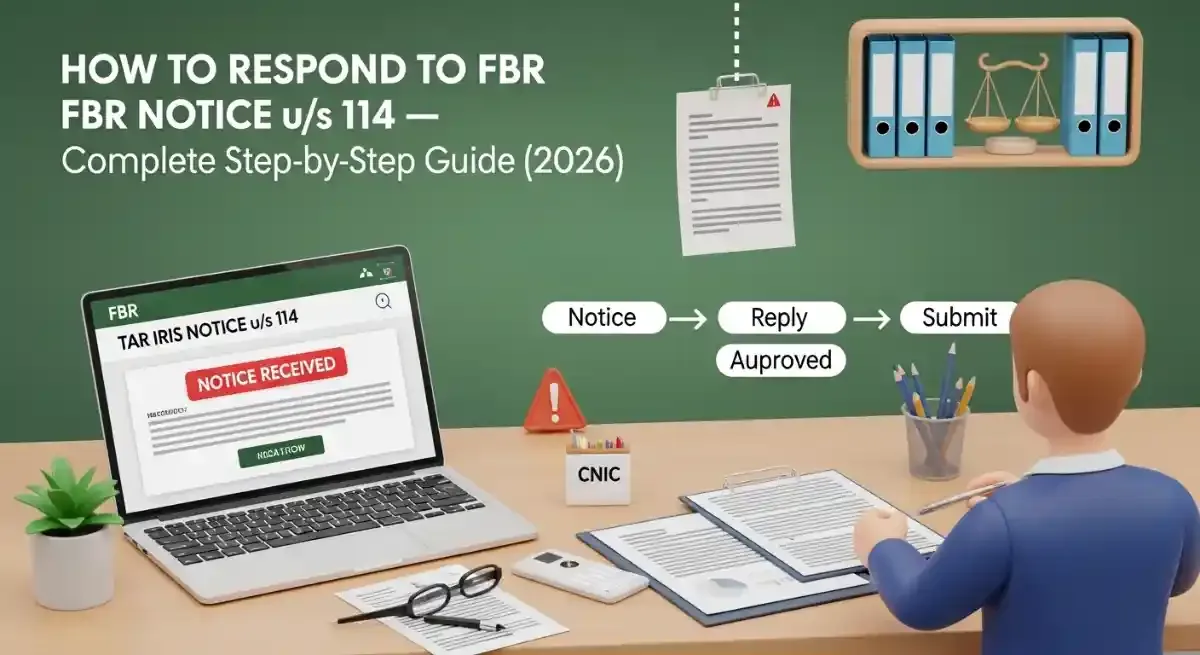
    How to Handle FBR Notices for Unexplained Remittances (2025–2026 Guide)

    If you are a freelancer or IT exporter in Pakistan receiving foreign payments, there is a chance you may receive a notice from the Federal Board of Revenue (FBR) asking you to explain your remittances.

    Sounds scary? Relax.

    Here is the real talk: most FBR notices for unexplained remittances are not penalties—they are verification requests. But how you respond can make a huge difference between a smooth resolution and a tax nightmare.

    At gigtax.site, we deal with this issue regularly, and in this guide, I will walk you through exactly how to handle FBR notices for unexplained remittances the right way for the 2025–2026 tax year.

    What Are “Unexplained Remittances”?

    Unexplained remittances refer to:

    • Money received in your bank account (usually from abroad)
    • That does not match your declared income in tax returns

    FBR flags these through:

    • Banking data integration
    • Foreign remittance tracking
    • Risk-based profiling

    So if your declared income is PKR 2 million but your bank shows PKR 5 million in inflows, you might receive a notice.

    Why Does FBR Send These Notices?

    The FBR sends notices to:

    • Verify source of income
    • Identify undeclared earnings
    • Prevent tax evasion
    • Ensure proper classification (freelance vs business vs gift)

    Look, I get it, taxes are boring but ignoring these notices is one of the worst things you can do.

    Types of FBR Notices You May Receive

    Most freelancers receive notices under:

    • Section 114 (non-filing or incomplete filing)
    • Section 122(5A) (amendment of assessment)
    • Section 111 (unexplained income or assets)

    The most common in this context is Section 111, which deals directly with unexplained remittances.

    Common Reasons Freelancers Get These Notices

    1. Not Declaring Foreign Income

    You earned money but did not report it in your return.

    2. Mismatch Between Bank and Tax Return

    Your bank shows higher inflows than your declared income.

    3. Improper Classification

    Declaring freelance income as:

    • Gift
    • Personal transfer

    This raises red flags instantly.

    4. No Proof of Export Services

    If you claim export income but lack documentation, FBR may question it.

    Comparison Table: Explained vs Unexplained Remittances

    CriteriaExplained RemittancesUnexplained Remittances
    Source DocumentationAvailable (invoices, contracts)Missing or unclear
    Declared in Tax ReturnYesNo
    Tax TreatmentLower rates (0.25%–1%)Taxed as normal income
    Risk LevelLowHigh
    FBR ActionUsually noneNotice issued

    Understanding this difference is key when learning how to handle FBR notices for unexplained remittances.

    Step-by-Step: How to Respond to an FBR Notice

    Alright, this is the part that matters most. Follow this proccess carefully.

    Step 1: Do Not Panic or Ignore

    First rule:

    • Do NOT ignore the notice
    • Do NOT delay response

    FBR notices come with deadlines. Missing them can lead to penalties or automatic assessments.

    Step 2: Read the Notice Carefully

    Check:

    • Section of law mentioned
    • Tax year involved
    • Amount in question
    • Response deadline

    Understanding the notice is half the battle.

    Step 3: Gather Supporting Documents

    You need to prove your income is legitimate.

    Collect:

    • Bank statements showing remittances
    • Freelance platform earnings (Upwork, Fiverr, etc.)
    • Client invoices
    • Contracts or agreements
    • Payment proofs

    The stronger your documentation, the easier your case.

    Step 4: Classify Your Income Correctly

    Most freelancers should classify income as:

    • Export of IT services
    • Foreign remittance

    If eligible, this falls under favorable tax treatment.

    Misclassification is where most people mess up.

    Step 5: Prepare a Proper Response

    Your reply should include:

    • Explanation of income source
    • Supporting documents
    • Reconciliation between bank inflows and declared income

    Keep it clear, factual, and professional.

    Step 6: Submit Response via IRIS Portal

    Log in to:

    • FBR IRIS system

    Upload:

    • Written explanation
    • Documents

    Make sure everything is complete before submission.

    Step 7: Consult a Professional (If Needed)

    If the amount is large or case is complex:

    • Hire a tax consultant
    • Get expert representation

    Sometimes saving a few thousand now can cost you lakhs later.

    What Happens If You Ignore the Notice?

    Let me be blunt.

    If your ignore it:

    • FBR may assume income is taxable
    • Heavy penalties can be applied
    • Income may be taxed at slab rates (up to 35%)
    • Legal action can be initiated

    So yes, ignoring is not an option.

    How to Avoid These Notices in the Future

    Prevention is always better than cure.

    1. Always Declare Full Income

    Even if:

    • You think it is exempt
    • Or taxed at source

    Declare it anyway.

    2. Use Proper Banking Channels

    Avoid:

    • Informal transfers
    • Third-party accounts

    Use your own bank account consistently.

    3. Maintain Records

    Keep:

    • Invoices
    • Payment logs
    • Client details

    Think of it as your financial backup.

    4. Register as a Freelancer / IT Exporter

    Consider registering with the Pakistan Software Export Board.

    This helps:

    • Legitimise your income
    • Reduce tax rates
    • Strengthen your case

    5. File Tax Returns Every Year

    Even if income is low or nil.

    Being a filer protects you.

    Real-Life Scenario

    Let’s say:

    • You received PKR 3 million in remittances
    • Declared only PKR 1.5 million

    FBR sends notice for remaining PKR 1.5 million.

    If you:

    • Provide invoices and proof

    Result:

    • Case resolved
    • No penalty

    If not?

    • Amount taxed at full rate
    • Penalties added

    Simple difference: documentation.

    Why This Matters More in 2026

    Pakistan’s tax system is evolving:

    • Banks share transaction data
    • AI-based risk profiling is increasing
    • Freelancers are now under direct observation

    So learning how to handle FBR notices for unexplained remittances is not optional anymore.

    Final Thoughts

    Getting an FBR notice does not mean you are in trouble—it means you need to respond smartly.

    At gigtax.site, we always say:

    “Documentation beats explanation.”

    If your records are strong, your case is strong.

    If not, even a small mistake can turn expensive.

    Call to Action

    Do not wait for a notice to fix your taxes.

    • Become an active filer
    • Stay on the ATL
    • Keep your records clean and updated

    And if you ever feel stuck, explore expert guides on gigtax.site or consult a professional to handle your case the right way.

    Your income is global—make sure your compliance is just as strong.

  • Freelance Tax Consultant vs DIY Filing: Which Is Better? (Pakistan 2025–2026 Guide)

    Freelance Tax Consultant vs DIY Filing: Which Is Better? (Pakistan 2025–2026 Guide)

    If you are a freelancer in Pakistan, you have probably asked yourself this at least once:
    Should I hire a tax consultant or file my taxes myself?

    And honestly, it is a fair question.

    Look, I get it, taxes are boring but they directly impact how much money stays in your pocket. Make the wrong choice here, and you could either overpay tax or invite unnecessary trouble from the Federal Board of Revenue (FBR).

    In this guide by gigtax.site, we will break down freelance tax consultant vs DIY filing: which is better? using real-world scenarios, costs, risks, and 2025–2026 tax rules.

    Let’s make this simple and practical.

    Understanding the Two Options

    Before comparing, let’s define both clearly.

    What Is DIY Tax Filing?

    DIY (Do-It-Yourself) filing means:

    • You register with FBR yourself
    • File your tax return via IRIS portal
    • Calculate and declare income independently

    No middleman. Just you and the system.

    What Is a Freelance Tax Consultant?

    A tax consultant is:

    • A professional who understands tax laws
    • Files returns on your behalf
    • Advises on tax planning and compliance

    They handle the technical stuff so you do not have to.

    Freelance Tax Consultant vs DIY Filing: Quick Comparison

    Here is a side-by-side breakdown to help you decide.

    FactorDIY FilingTax Consultant
    CostLow or freeModerate fee
    ControlFull controlShared control
    Risk of ErrorsHigh (if inexperienced)Low
    Time RequiredHighLow
    Tax OptimizationLimitedAdvanced
    Handling FBR NoticesDifficultProfessional support
    Best ForBeginners with simple incomeSerious freelancers & high earners

    Here is the real talk: both options work—but not for everyone.

    When DIY Filing Makes Sense

    Let’s be fair. DIY is not a bad option.

    1. You Have Simple Income

    If:

    • You earn from one platform
    • No complex deductions
    • Clean bank transactions

    DIY can work fine.

    2. You Want to Save Money

    Consultants charge fees. If your income is small, you may want to save that cost.

    3. You Are Willing to Learn

    DIY requires:

    • Time
    • Patience
    • Understanding of FBR system

    If your ready to learn, it is doable.

    When Hiring a Tax Consultant Is Better

    Now let’s talk about reality.

    1. You Earn Significant Income

    If you are making:

    • PKR 1 million+ annually

    Even small tax mistakes can cost you big.

    2. You Have Multiple Income Streams

    For example:

    • Freelancing + job
    • Multiple clients
    • Foreign + local income

    This gets complicated fast.

    3. You Want Tax Optimization

    A good consultant can:

    • Reduce your tax legally
    • Classify income properly
    • Use exemptions and benefits

    DIY filers often miss these.

    4. You Received an FBR Notice

    If FBR contacts you:

    Do NOT try to “figure it out” yourself.

    This is where professionals matter.

    Tax Impact Comparison

    Let’s look at a practical example.

    ScenarioDIY FilingConsultant Filing
    Annual IncomePKR 3,000,000PKR 3,000,000
    Tax PaidPKR 300,000 (approx)PKR 30,000–60,000
    SavingsUp to PKR 240,000

    Why the difference?

    Because consultants:

    • Apply export income rules
    • Ensure proper classification
    • Use final tax regimes

    That alone can change everything.

    Step-by-Step: DIY Tax Filing Process

    If you decide to go solo, here is the exact proccess.

    Step 1: Register with FBR

    • Create account on IRIS portal
    • Get your NTN

    Step 2: Understand Your Income Type

    • Freelance income = export services
    • Local income = business or salary

    Misclassification is a common mistake.

    Step 3: Maintain Records

    Keep:

    • Bank statements
    • Invoices
    • Payment proofs

    Without records, your case becomes weak.

    Step 4: Calculate Tax

    Use:

    • Correct tax regime
    • Accurate exchange rates

    Avoid using random online calculater tools without verification.

    Step 5: File Your Return

    • Declare income
    • Submit return via IRIS

    Step 6: Pay Tax

    • Generate PSID
    • Pay through bank

    Step 7: Stay Active Filer

    • Ensure your name appears on ATL

    Sounds simple on paper. In reality, it requires attention to detail.

    Step-by-Step: Working with a Tax Consultant

    Now let’s see how the professional route works.

    Step 1: Choose the Right Consultant

    Look for:

    • Experience with freelancers
    • Knowledge of IT export rules
    • Updated understanding of 2025–2026 laws

    Step 2: Share Your Data

    Provide:

    • Income details
    • Bank statements
    • CNIC and NTN

    Step 3: Review Tax Strategy

    A good consultant will:

    • Suggest classification
    • Identify savings opportunities

    Step 4: Filing and Submission

    They will:

    • Prepare return
    • File on your behalf

    Step 5: Post-Filing Support

    This is the biggest advantage.

    If something goes wrong:

    • They handle FBR communication

    Peace of mind matters more than you think.

    Hidden Risks of DIY Filing

    Let me be honest with you.

    DIY filing comes with risks:

    1. Wrong Tax Category

    Many freelancers:

    • File under normal tax slabs
    • Instead of export regime

    Result? Overpaying tax.

    2. Incomplete Documentation

    If FBR asks questions:

    • You may not have proof

    3. Ignoring Compliance Details

    Things like:

    • Wealth statement
    • Expense reconciliation

    Are often ignored.

    And that creates problems later.

    Cost vs Value: The Real Debate

    People often say:

    “Consultant mehenga hai” (Consultant is expensive)

    But think about this:

    • Paying PKR 20,000 to save PKR 200,000
    • Or avoid penalties worth lakhs

    That is not an expense—it is an investment.

    So, Freelance Tax Consultant vs DIY Filing: Which Is Better?

    Here is the honest answer.

    Choose DIY If:

    • Your income is low
    • Your finances are simple
    • You are willing to learn and take risk

    Choose a Consultant If:

    • You earn serious money
    • You want peace of mind
    • You want to optimize tax legally
    • You do not want to deal with FBR headaches

    For most growing freelancers, a consultant is the smarter choice.

    Why This Decision Matters in 2026

    Pakistan’s tax system is evolving:

    • FBR is tracking digital income more closely
    • Bank data integration is stronger
    • Freelancers are under more scrutiny

    So your margin for error is shrinking.

    Final Thoughts

    At the end of the day, freelance tax consultant vs DIY filing: which is better? depends on your situation.

    But here is my big brother advice:

    “If your income is growing, your tax strategy should grow too.”

    Do not treat taxes as an afterthought.

    At gigtax.site, we help Pakistani freelancers move from confusion to clarity with practical, real-world guidance.

    Call to Action

    If you want to stay compliant and keep more of your hard-earned money:

    • Become a tax filer today
    • Make sure your name is on the ATL
    • And if things feel confusing, do not guess

    Explore expert resources on gigtax.site or consult a professional to handle your taxes the right way.

    Because in freelancing, your income is global—but your compliance starts at home.

  • Impact of 2026 Budget on IT Export Services in Pakistan (Complete Freelancer Guide)

    Impact of 2026 Budget on IT Export Services in Pakistan (Complete Freelancer Guide)

    Pakistan’s IT sector is booming, freelancers are earning in dollars, and the government knows it. That is exactly why the Impact of 2026 Budget on IT export services in Pakistan matters more than ever.

    Look, I get it, taxes are boring but the 2026 budget is not something you can ignore if you are earning from abroad. One small policy shift can change how much tax you pay, how you receive payments, and even whether your income qualifies for incentives.

    In this guide by gigtax.site, I will break down the real impact of the 2026 budget on IT export services in Pakistan, based on the latest updates from the Federal Board of Revenue (FBR).

    Let’s get into it.

    What Are IT Export Services?

    Before we talk about the budget, let’s clarify what counts as IT export services.

    These include:

    • Freelancing (Upwork, Fiverr, direct clients)
    • Software development
    • Web design and development
    • Digital marketing services
    • SaaS and tech-based solutions

    If you are earning from foreign clients and receiving payments in Pakistan, you fall into this category.

    Big Picture: Government’s Direction in 2026

    Here is the real talk.

    Pakistan’s 2026 budget is focused on:

    • Increasing foreign exchange inflows
    • Promoting IT exports
    • Expanding the tax net

    So yes, the government wants you to earn more—but also wants proper documentation and compliance.

    Key Changes in the 2026 Budget Affecting IT Exporters

    1. Continuation of Preferential Tax Rates

    Good news first.

    The government has continued low tax rates for IT exporters, including freelancers.

    Typical structure:

    • 0.25% to 1% tax on export income
    • Applicable under Final Tax Regime (FTR)

    This means:

    • Your tax is minimal
    • Your income is treated favorably

    But only if you meet conditions.

    2. Stricter Documentation Requirements

    This is where things tighten.

    The FBR now requires:

    • Clear proof of foreign remittance
    • Proper banking channels
    • Documented service invoices

    If your documentation is weak, your income may be reclassified.

    3. Increased Monitoring of Bank Transactions

    Banks are now more integrated with FBR systems.

    What does this mean?

    • Your incoming USD payments are tracked
    • Mismatches trigger notices
    • Unexplained income gets flagged

    This directly impacts freelancers who are not filing properly.

    4. Push for PSEB Registration

    The government is strongly encouraging registration with the Pakistan Software Export Board.

    Benefits include:

    • Recognition as IT exporter
    • Easier compliance
    • Better tax positioning

    Ignoring this in 2026 is a mistake.

    5. Focus on Active Taxpayer List (ATL)

    Being a filer is no longer optional.

    Non-filers face:

    • Higher withholding taxes
    • Banking restrictions
    • Increased scrutiny

    So if your not on ATL, you are already at a disadvantage.

    Comparison Table: Before vs After 2026 Budget

    FactorBefore 2026 BudgetAfter 2026 Budget
    Tax Rate0.25%–1%Continued
    DocumentationModerateStrict
    Bank MonitoringLimitedHigh
    PSEB ImportanceOptionalStrongly Recommended
    FBR ScrutinyMediumHigh

    This clearly shows that while tax rates remain attractive, compliance expectations have increased significantly.

    How This Impacts Freelancers Directly

    Let’s break it down in practical terms.

    1. Lower Taxes (If Done Right)

    If you:

    • Use banking channels
    • Register properly

    You still enjoy low tax rates.

    2. Higher Risk (If Ignored)

    If you:

    • Do not file returns
    • Receive money informally

    You risk:

    • Notices from FBR
    • Heavy tax penalties

    3. More Paperwork

    You now need:

    • Invoices
    • Bank proofs
    • Income records

    It is not complicated, but it requires discipline.

    Step-by-Step: How to Adapt to 2026 Budget Changes

    Alright, this is where you take action. Follow this proccess carefully.

    Step 1: Register with FBR

    • Get NTN
    • Create IRIS account

    No registration = no compliance.

    Step 2: Ensure Proper Banking Channels

    • Receive payments via bank
    • Avoid informal transfers

    This is critical in 2026.

    Step 3: Maintain Documentation

    Keep:

    • Client invoices
    • Payment records
    • Contracts

    Think of this as your safety net.

    Step 4: Register with PSEB

    • Apply as freelancer
    • Get recognized as IT exporter

    This strengthens your tax position.

    Step 5: File Annual Tax Return

    • Declare foreign income
    • Submit wealth statement

    Do not skip this, even if tax is low.

    Step 6: Stay on ATL

    • File on time
    • Avoid penalties

    Being on ATL saves money.

    Step 7: Monitor Your Transactions

    Regularly check:

    • Bank inflows
    • Declared income

    Avoid mismatches.

    Common Mistakes After 2026 Budget

    Let me save you from costly errors.

    1. Assuming Low Tax Means No Filing

    Wrong.

    Even if tax is 1%, you must file.

    2. Ignoring Documentation

    FBR now verifies everything.

    No proof = no benefit.

    3. Mixing Personal and Freelance Income

    This creates confusion and risk.

    Keep accounts clean.

    4. Not Understanding Tax Regime

    Many freelancers:

    • Pay higher tax unnecessarily

    Because they do not understand FTR.

    Real Example

    Let’s say:

    • You earn $30,000 annually
    • Receive via bank

    If compliant:

    • Tax ≈ 1%
    • Clean record

    If non-compliant:

    • Tax up to 35%
    • Possible penalties

    That is a huge difference.

    Why This Matters More Than Ever

    Pakistan is moving toward:

    • Digital tax tracking
    • Automated data systems
    • Global compliance standards

    Freelancers are no longer “invisible” to tax authorities.

    So understanding the impact of 2026 budget on IT export services in Pakistan is essential for survival and growth.

    Final Thoughts

    Here is my big brother advice.

    “The opportunity is still there—but the margin for mistakes is shrinking.”

    The 2026 budget is not anti-freelancer. In fact, it supports you—but only if you follow the rules.

    At gigtax.site, we help freelancers like you turn confusing tax policies into simple, actionable steps.

    Because at the end of the day, earning in dollars is great—but keeping more of it legally is even better.

    Call to Action

    Do not wait until FBR sends you a notice.

    • Become a tax filer today
    • Get listed on the ATL
    • Structure your income the right way

    And if you want expert guidance without confusion, explore more resources on gigtax.site or consult a professional to secure your freelance future in 2026 and beyond.

  • How to register as an “IT Enabled Service” for tax benefits in Pakistan (2025-2026)

    How to register as an “IT Enabled Service” for tax benefits in Pakistan (2025-2026)

    If you’re a freelancer, agency owner, software developer, or even running a small digital service setup in Pakistan, this is one of the most important things you need to understand right now.

    Because look, I get it—taxes are boring. Most people only think about them when FBR sends a notice or when a client asks for tax-compliant invoices. But registering correctly as an IT Enabled Service (ITeS) can literally reduce your tax burden and increase your net income legally.

    Here is the real talk: in the Pakistan Tax Year 2025-2026, IT enabled services still enjoy some of the most favorable tax treatments under FBR rules, especially for export income.

    Let’s break it down step-by-step in a way that actually makes sense.

    What is an IT Enabled Service in Pakistan?

    In simple words, an IT Enabled Service (ITeS) refers to services delivered digitally using IT infrastructure. These include:

    • Software development
    • Freelancing (Upwork, Fiverr, direct clients)
    • Graphic designing & animation
    • Digital marketing services
    • Call centers & BPO services
    • SEO, content writing, virtual assistance
    • SaaS and cloud-based services

    FBR categorizes these under export-oriented services when income comes from outside Pakistan.

    And that’s where the real tax benefit kicks in.

    Why IT Enabled Service Registration Matters (2025-26 Update)

    If you register properly as an IT Enabled Service provider, you can:

    • Get reduced withholding tax rates
    • Qualify for export income tax benefits
    • Avoid unnecessary higher slab taxation
    • Improve banking compliance for foreign payments
    • Potentially fall under Final Tax Regime (FTR) for export income

    Big picture? You keep more of your money legally.

    Tax Benefits for IT Enabled Services (Pakistan 2025-2026)

    Let’s make it simple with a comparison table so you actually understand what changes after registration.

    IT Enabled Services Tax Comparison Table

    Income TypeBefore Proper RegistrationAfter IT Enabled Service Registration
    Local Freelance IncomeUp to 15%+ tax (varies under slab)Standard slab applies
    Export Income (USD clients)Higher withholding deductionsReduced to ~0.25%–1% effective tax (export regime benefit)
    Bank ComplianceIssues with inward remittancesSmooth FBR + bank reconciliation
    ATL Status ImpactDifficult to maintainEasier compliance if filed correctly
    Audit RiskHigher due to mismatchLower if properly documented

    Now obviously, exact percentages can change slightly depending on Finance Act updates, but the direction remains the same: export IT income is heavily incentivized in Pakistan.

    Step-by-Step Guide: How to Register as IT Enabled Service for Tax Benefits

    Alright, let’s get into the practical part. Don’t worry, I’ll keep it simple.

    Step 1: Get Your NTN (National Tax Number)

    First things first, you need to be in the FBR system.

    • Go to FBR IRIS portal
    • Register as an individual or business
    • Provide CNIC, mobile number, email
    • Get your NTN issued

    Without NTN, nothing else works.

    Step 2: Register in FBR IRIS Portal

    Once your NTN is active:

    • Log into IRIS
    • Update your profile
    • Select “Business / Self-employed” category
    • Add your business nature

    This is where most people make mistakes—they don’t properly define their income source.

    Step 3: Select IT Enabled Service Category

    Now here’s the important part.

    You must declare your business nature as:

    • IT Enabled Services
    • Software development / digital services
    • Freelancing / online services (if applicable)

    This classification helps FBR understand your income is export-oriented.

    Step 4: Link Your Bank Account

    FBR requires transparency for foreign remittances.

    • Add your Pakistani bank account in IRIS
    • Ensure it is linked to your NTN
    • Use accounts that support foreign inward remittances (USD/EUR)

    Step 5: Register with PSEB (Optional but Powerful)

    If you’re serious about scaling:

    • Register with Pakistan Software Export Board (PSEB)
    • It helps in recognition as an IT exporter
    • Can improve tax exemption eligibility in some cases

    Not mandatory, but highly recommended.

    Step 6: Maintain Proper Invoices & Export Proof

    This is where discipline matters.

    • Keep invoices for international clients
    • Maintain Payoneer / Wise / bank statements
    • Record each export transaction

    Because FBR loves documentation (sometimes too much honestly).

    Step 7: File Income Tax Return as IT Exporter

    At the end of tax year 2025-2026:

    • File return in IRIS
    • Declare export income separately
    • Claim applicable tax treatment under IT services category

    And yes, this is where most freelancers mess up and overpay tax.

    Common Mistakes Freelancers Make (Avoid These)

    Let’s keep it honest. I’ve seen people lose money just because of ignorance.

    1. Not selecting IT Enabled Service category correctly
    2. Mixing personal and business bank accounts
    3. Not declaring foreign income properly
    4. Ignoring filing deadlines (this can hurt your ATL status)

    Small mistake, big tax headache later.

    And trust me, fixing it later is way more annoying than doing it right the first time.

    Real Talk: Is IT Enabled Service Registration Worth It?

    Short answer: Yes.

    Long answer: Absolutely yes, especially if you’re earning in USD.

    Because without proper registration:

    • You may pay higher tax unnecessarily
    • Your bank may flag transactions
    • You risk falling out of Active Taxpayer List (ATL)

    Look, I’m not saying FBR system is perfect—far from it—but working with it instead of against it saves you money and stress.

    Bonus Insight: How This Impacts Freelancers in 2025-2026

    In the current tax year, Pakistan is pushing more digital export documentation. That means:

    • Freelancers are now being tracked more systematically
    • Digital payment gateways are reporting transactions
    • IT exporters are getting more scrutiny but also more benefits

    So if you’re structured properly, you’re in a strong position.

    If you’re not… well, you already know where that leads.

    Why gigtax.site Matters Here

    Platforms like gigtax.site are becoming essential for Pakistani freelancers who want to stay compliant without drowning in tax jargon.

    Because honestly, most people don’t need complicated legal books—they need clear guidance like this.

    We focus on helping freelancers understand:

    • FBR rules in simple language
    • Tax saving strategies
    • Export income optimization
    • ATL and filing support concepts

    Final Thoughts

    Registering as an IT Enabled Service in Pakistan (2025-2026) is not just a tax formality—it’s a financial strategy.

    If you’re earning online, especially in USD, this classification can literally decide how much money you keep at the end of the year.

    And here’s the bottom line:

    Do it right once, and you won’t have to worry later.

    Call to Action

    If you’re serious about becoming tax compliant, reducing unnecessary deductions, and building a long-term freelancing career in Pakistan, now is the time to act.

    Register properly as a filer, get yourself into the Active Taxpayer List (ATL), and make sure your IT Enabled Service setup is correct.

    For more guides, tax strategies, and freelancer-focused financial advice in Pakistan, visit gigtax.site and consider consulting a tax professional before the 2025-2026 filing season gets hectic.

    Because trust me—fixing tax mistakes later is always more expensive than doing it right today.

  • Setting up a private limited company for a freelance agency

    Setting up a private limited company for a freelance agency

    If you’ve reached the point where freelancing is no longer “side income” and has turned into a real business, then this question naturally comes up:

    Should I register a private limited company for my freelance agency in Pakistan?

    Look, I get it—taxes, SECP, FBR, legal structure… it sounds like a headache. But here is the real talk: once your freelance income starts growing, operating as a sole freelancer can actually limit your scalability, tax planning, and credibility.

    So let’s break it down in a simple, practical way for Pakistan Tax Year 2025-2026.

    What is a Private Limited Company for Freelancers?

    A Private Limited Company (Pvt Ltd) is a legally registered business entity under the SECP (Securities and Exchange Commission of Pakistan).

    For freelancers, it basically means:

    • You are no longer just an individual freelancer
    • You are running a registered agency/company
    • Your business has its own legal identity

    This structure is especially useful if you:

    • Run a freelance agency with multiple clients
    • Have subcontractors or team members
    • Earn significant foreign revenue
    • Want to scale beyond solo freelancing

    Why Freelancers Are Switching to Pvt Ltd Companies (2025-26 Trend)

    Here’s the real shift happening in Pakistan:

    Freelancers are no longer staying solo forever.

    They are building:

    • Digital agencies
    • Software houses
    • Remote service companies

    And registering a private limited company helps with:

    • Better tax structuring
    • Improved client trust (especially international clients)
    • Easier business banking
    • Access to corporate contracts

    Honestly, clients take you more seriously when “Pvt Ltd” is attached to your name.

    Key Benefits of Setting Up a Private Limited Company

    Let’s make it simple:

    1. Tax Efficiency (FBR Structure)

    Instead of personal tax slabs, companies follow corporate taxation.

    For 2025-2026:

    • Corporate tax rate: approx 29% (standard rate, subject to Finance Act updates)
    • Export income may qualify for concessions depending on structure
    • More control over expenses and deductions

    2. Legal Protection

    Your personal assets are separated from business liabilities.

    Meaning:

    • Business risk ≠ personal risk
    • Safer for scaling agencies

    3. Professional Image

    Let’s be honest—this matters a lot.

    Clients trust:

    • “XYZ Digital Pvt Ltd”
      more than
    • “Freelancer Ali working from home”

    4. Easier Bank Financing

    Banks prefer registered companies for:

    • Business accounts
    • Loans
    • Credit facilities

    5. Hiring Team Members

    You can legally:

    • Hire employees
    • Pay salaries
    • Deduct payroll taxes

    Private Limited vs Freelancer (Comparison Table)

    Here’s a clear breakdown for you:

    FeatureFreelancer (Individual)Private Limited Company
    Legal IdentityIndividualSeparate legal entity
    Tax StructurePersonal income tax slabsCorporate tax regime
    Business CredibilityMediumHigh
    ScalabilityLimitedHigh
    Team HiringInformalFully legal payroll system
    Banking AccessBasicCorporate banking options
    ComplianceSimpleModerate complexity

    Step-by-Step Guide: Setting Up a Private Limited Company in Pakistan

    Now let’s get into the practical part.

    Step 1: Choose Your Company Name

    Go to SECP (Securities and Exchange Commission of Pakistan) portal.

    • Pick a unique name
    • Avoid similar names already registered
    • Make sure it aligns with your freelance agency niche

    Example:

    • “ABC Digital Solutions (Pvt) Ltd”

    Step 2: Company Registration with SECP

    You need to submit:

    • CNIC copies of directors
    • Registered office address
    • Memorandum of Association (MOA)
    • Articles of Association (AOA)

    This defines your company structure.

    Step 3: Get Digital Signature (ESign)

    SECP requires digital authentication:

    • Apply for digital signature
    • Used for online filings and approvals

    Step 4: Incorporation Certificate

    Once approved, you receive:

    • Certificate of Incorporation
    • Company registration number

    This is your official legal identity.

    Step 5: NTN Registration with FBR

    Now you must register the company with FBR:

    • Get company NTN
    • Register as a corporate taxpayer
    • Link with IRIS portal

    Step 6: Business Bank Account

    Open a corporate account:

    • Use company name
    • Link with NTN
    • Required for receiving client payments

    Step 7: Register for Sales Tax (If Applicable)

    Depending on services:

    • IT export services → usually zero-rated
    • Local services → may require registration with PRA/SRB

    Step 8: Annual Compliance Setup

    You must maintain:

    • Financial statements
    • Tax returns
    • Audit reports (if required by threshold)

    Tax Structure for Private Limited Freelance Agencies (2025-2026)

    Here is a simplified breakdown:

    Corporate Tax Slabs (Pakistan)

    T={0.29standard corporate tax ratelower effective ratefor export-oriented IT companies (conditions apply)T = \begin{cases} 0.29 & \text{standard corporate tax rate} \\ \text{lower effective rate} & \text{for export-oriented IT companies (conditions apply)} \end{cases}T={0.29lower effective rate​standard corporate tax ratefor export-oriented IT companies (conditions apply)​

    What This Means for Freelancers

    • You may pay ~29% corporate tax
    • BUT deductions reduce effective burden
    • Export income may receive favorable treatment
    • Business expenses reduce taxable profit

    Expenses you can claim:

    • Internet bills
    • Software subscriptions
    • Office rent
    • Freelancers/subcontractors
    • Equipment (laptop, tools)

    Common Mistakes Freelancers Make When Registering Pvt Ltd

    Let’s keep it honest—people mess this up a lot.

    1. Registering too early

    If your income is small, Pvt Ltd may be unnecessary overhead.

    2. Mixing personal and company accounts

    Big no.

    Keep everything separate.

    3. Poor bookkeeping

    If your records are messy, tax filing becomes painful.

    Trust me, it turns into a calculater nightmare during filing season.

    4. Ignoring compliance deadlines

    Late filing = penalties + stress.

    When Should a Freelancer Actually Register a Company?

    Here’s a simple guide:

    • Monthly income below moderate threshold → stay freelancer
    • Stable recurring clients → consider registration
    • Agency with team → YES, register
    • International contracts scaling → strongly recommended

    Real Talk: Is Pvt Ltd Worth It for Freelancers?

    Here is the honest answer:

    Yes, if:

    • You are scaling seriously
    • You want international credibility
    • You are building an agency model

    No, if:

    • You are solo beginner freelancer
    • Income is inconsistent
    • You don’t want compliance workload

    Look, I’m not saying you need a company from day one. But once freelancing becomes a business, not a hobby, structure matters.

    Why This Matters in Pakistan (2025-2026 Context)

    Pakistan is moving toward:

    • Digital tax monitoring
    • Bank-linked income tracking
    • Increased documentation requirements

    So freelancers who structure early:

    • Avoid future compliance issues
    • Save tax legally
    • Scale faster with credibility

    Role of gigtax.site for Freelancers

    This is exactly where gigtax.site becomes useful.

    We focus on helping freelancers understand:

    • FBR rules in simple terms
    • SECP company registration guidance
    • Tax optimization strategies
    • Freelance agency scaling insights

    Because honestly, most people don’t need legal confusion—they need clarity.

    Final Thoughts

    Setting up a private limited company for a freelance agency in Pakistan (2025-2026) is not just a legal step—it’s a business evolution.

    It separates:

    • Hobby freelancers
      vs
    • Serious digital agencies

    If you are planning long-term growth, hiring a team, or working with international clients, this structure gives you a strong foundation.

    But if you’re still testing the waters, you can wait.

    The key is timing—not rushing, not delaying too much.

    Call to Action

    If you’re serious about scaling your freelance career into a proper digital agency, now is the time to understand your tax structure, register correctly, and build a compliant business foundation.

    Become an Active Taxpayer (ATL), explore SECP registration, and ensure your financial setup is optimized for growth.

    For expert guidance on freelancing taxes, company registration, and Pakistan tax planning, visit gigtax.site and consult a professional before you make structural business decisions.

    Because in freelancing, earning money is one thing—but structuring it properly is what builds long-term wealth.

  • Tax on Dollar-to-PKR Conversion for Freelancers in 2026 (Pakistan Complete Guide)

    Tax on Dollar-to-PKR Conversion for Freelancers in 2026 (Pakistan Complete Guide)

    Learn tax on dollar-to-PKR conversion for freelancers in 2026 Pakistan, FBR rules, slabs, and how to reduce tax legally.

    Tax on Dollar-to-PKR Conversion for Freelancers in 2026 (Pakistan Guide)

    Introduction

    If you’re a freelancer in Pakistan earning in USD, understanding the tax on dollar-to-PKR conversion for freelancers in 2026 is extremely important for managing your real income.

    Look, I get it, taxes are boring but this is one of those areas where freelancers often lose money without even realizing it.

    Here is the real talk: every time your dollars are converted into Pakistani rupees—whether through Payoneer, Wise, or bank transfer—it becomes part of your taxable income record in FBR systems.

    And in 2026, FBR has become much more data-driven and strict about tracking foreign income conversions.

    This guide by gigtax.site will help you understand:

    • How dollar-to-PKR conversion is taxed
    • Whether conversion itself is taxed or income is taxed
    • FBR rules for freelancers
    • Step-by-step compliance method

    Let’s break it down simply.

    Is Dollar-to-PKR Conversion Taxable in Pakistan?

    Here is the most important clarification:

    👉 Currency conversion itself is NOT separately taxed
    👉 BUT the income being converted IS taxed

    So FBR does not tax the conversion event—it taxes the freelance income behind it.

    How Freelancers Earn in USD and Convert to PKR

    Most Pakistani freelancers receive USD through:

    • Payoneer
    • Wise
    • Direct bank transfers
    • Freelance platforms (Fiverr, Upwork)

    Then:

    USD → Converted to PKR → Deposited into bank account

    This conversion becomes part of your financial record.

    FBR View on Dollar-to-PKR Conversion (2025–2026)

    FBR tracks:

    • Foreign currency inflows
    • Bank conversion rates
    • Freelance income patterns
    • Export service earnings

    So while conversion is not taxed directly, it is used to calculate:

    • Total taxable income
    • IT export eligibility
    • Tax regime classification

    Tax Treatment of Freelance Income in USD

    Freelancers fall under:

    1. IT Export (Final Tax Regime)

    • Tax rate: 0.25% – 1%
    • Applies to foreign income
    • Simplified taxation

    2. Normal Tax Regime (NTR)

    • Tax slabs up to 35%
    • Applies if not properly registered

    Key Insight

    The real tax is on your income source, not conversion itself.

    Dollar-to-PKR Conversion vs Tax Impact

    Comparison Table

    FactorDollar-to-PKR ConversionFreelance Income Tax
    Tax AppliedNo direct taxYes
    FBR MonitoringHighVery High
    Banking RoleConversion recordIncome proof
    Tax Calculation BasisExchange rateTotal income
    Freelancer ImpactIndirectDirect

    So conversion is a tracking mechanism, not a tax event.

    Step-by-Step: How Tax Works on Dollar-to-PKR Conversion

    Let’s simplify the proccess.

    Step 1: Earn USD from Freelance Work

    • Fiverr/Upwork payment received
    • Stored in Payoneer or Wise

    Step 2: Transfer to Pakistani Bank

    • USD sent to local bank
    • Converted to PKR automatically

    Step 3: Bank Records Exchange Rate

    • Bank applies daily exchange rate
    • Conversion is logged

    Step 4: Income Becomes Taxable Record

    • FBR sees PKR inflow
    • Classified as foreign income

    Step 5: Declare in IRIS

    • Log into FBR portal
    • Enter total income
    • Use correct tax category

    Step 6: Apply IT Export Tax (If Eligible)

    • 0.25%–1% tax applied
    • Based on filer status

    Common Misconceptions About Conversion Tax

    Let me clear confusion.

    1. “Conversion is taxed separately”

    ❌ Wrong — only income is taxed

    2. “Bank takes tax on conversion”

    ❌ No — banks only apply exchange rates

    3. “USD earnings are tax-free”

    ❌ False — they are taxable as foreign income

    4. “FBR cannot track Payoneer/Wise”

    ❌ In 2026, everything is tracked digitally

    How Exchange Rate Affects Tax Calculation

    Even though conversion is not taxed, it affects:

    • Total declared income
    • PKR value of earnings
    • Tax calculation base

    Example:

    • $1,000 × 280 PKR = 280,000 PKR income
    • This amount is used for tax reporting

    So exchange rate matters indirectly.

    Benefits of Proper Tax Filing on Converted Income

    If you correctly declare income:

    • Lower tax rate (0.25%–1%)
    • No audit issues
    • Clean financial record
    • Easier visa approvals
    • Strong ATL status

    Real Talk: Where Freelancers Lose Money

    Here is the real talk.

    Most freelancers:

    • Don’t track exchange rates properly
    • Ignore bank reconciliation
    • Underreport income unintentionally
    • Don’t understand FTR vs NTR

    This leads to tax problems later.

    How FBR Detects Dollar-to-PKR Income

    FBR uses:

    • Banking transaction data
    • Foreign remittance tracking
    • Tax return comparisons
    • Digital payment monitoring

    So nothing is invisible anymore.

    Best Practices for Freelancers in 2026

    Follow these rules:

    • Always use official bank accounts
    • Maintain monthly income records
    • Save Payoneer/Wise statements
    • Declare full income in IRIS
    • Stay in ATL consistently

    Tax Slabs Overview for Freelancers (2026)

    Simplified Tax Structure

    Income TypeTax Rate
    IT Export (Filer)0.25% – 1%
    Non-Filer FreelancersHigher withholding
    Normal Business IncomeUp to 35%

    Why Proper Documentation Matters

    Without documentation:

    • Income becomes unverifiable
    • Higher tax may be applied
    • FBR may issue notices

    With documentation:

    • Clean compliance
    • Lower tax burden
    • Smooth filing process

    How gigtax.site Helps Freelancers

    At gigtax.site, we help freelancers:

    • Understand dollar-to-PKR tax structure
    • Optimize FBR filing strategy
    • Avoid overpaying tax
    • Stay ATL compliant
    • Structure freelance income properly

    We focus only on freelance taxation in Pakistan.

    Final Thoughts

    Understanding tax on dollar-to-PKR conversion for freelancers in 2026 is not about the conversion itself—it’s about how your income is recorded, declared, and verified.

    Look, I get it, this seems technical at first. But once you understand the flow, everything becomes much simpler.

    In 2026, transparency is everything. The more organized you are, the less tax stress you will face.

    Call to Action

    Don’t let confusion cost you money.

    Become a tax filer, stay in the ATL, and properly declare your freelance USD income in Pakistan.

    Visit gigtax.site today for expert guidance on freelance taxation, income conversion, and FBR compliance in 2026.

  • How to Justify Wise Transfers to FBR During Tax Filing (Pakistan 2026 Complete Guide)

    How to Justify Wise Transfers to FBR During Tax Filing (Pakistan 2026 Complete Guide)

    Learn how to justify Wise transfers to FBR during tax filing in Pakistan 2025-26 with proper documentation, steps, and compliance tips.

    How to Justify Wise Transfers to FBR During Tax Filing (Complete Guide 2026)

    Introduction

    If you’re a freelancer in Pakistan receiving international payments, understanding how to justify Wise transfers to FBR during tax filing is essential for staying compliant in the 2025–2026 tax year.

    Look, I get it, taxes are boring but Wise is not just a payment tool—it is now one of the most monitored international remittance channels for freelancers in Pakistan.

    Here is the real talk: in 2026, FBR doesn’t just rely on your tax return—they cross-check your bank inflows, Wise statements, and foreign income patterns to verify your earnings.

    So if you can’t justify your Wise transfers properly, you may face:

    • Income mismatches
    • Tax notices
    • ATL issues
    • Compliance delays

    In this guide by gigtax.site, I’ll explain:

    • What Wise transfers mean for FBR
    • Why justification is important
    • Step-by-step documentation process
    • Mistakes freelancers must avoid

    Let’s break it down simply.

    What Are Wise Transfers in Freelancing?

    Wise (formerly TransferWise) is a global money transfer platform used by freelancers to:

    • Receive international payments
    • Convert currencies
    • Transfer funds to Pakistani banks

    For FBR, these transfers are considered foreign remittances or export income flows.

    Why FBR Tracks Wise Transfers in Pakistan (2025–2026)

    FBR now uses digital tracking systems to monitor:

    • Foreign inflows
    • Banking transactions
    • Freelancer income patterns
    • Export service earnings

    So even if money comes through Wise, it is still part of your taxable financial footprint.

    Why Justifying Wise Transfers Is Important

    When filing taxes, you must prove:

    • Source of income
    • Nature of service
    • Flow of funds
    • Bank matching details

    Without justification, FBR may assume:

    • Undisclosed income
    • Mismatch in declared earnings
    • Non-compliance risk

    Wise Transfers vs Bank Remittances

    Comparison Table

    FeatureWise TransfersDirect Bank Remittance
    SpeedFastModerate
    Currency ConversionBetter ratesStandard rates
    Tax DocumentationRequires extra proofStrong built-in record
    FBR AcceptanceAccepted with proofFully accepted
    Freelance UseVery commonLess flexible

    Wise is convenient—but requires proper documentation.

    Step-by-Step: How to Justify Wise Transfers to FBR During Tax Filing

    Let’s break it down clearly.

    Step 1: Collect Wise Transaction History

    • Log into Wise account
    • Download transaction statements
    • Export PDF records

    These show:

    • Sender details
    • Amount received
    • Currency conversion
    • Transfer dates

    Step 2: Match Wise Transfers with Bank Deposits

    Now cross-check:

    • Wise outgoing transfer
    • Bank incoming remittance

    Both must match in:

    • Amount
    • Date range
    • Currency conversion

    Step 3: Categorize Income Source

    FBR requires classification:

    • Freelance income (IT export services)
    • Foreign consulting income
    • Digital services

    Be accurate here.

    Step 4: Maintain Supporting Documents

    You should keep:

    • Fiverr/Upwork invoices
    • Client contracts (if available)
    • Email/payment confirmations
    • Wise receipts

    This builds your justification file.

    Step 5: Convert Currency Properly

    Always:

    • Use official exchange rates
    • Maintain conversion records
    • Avoid estimated values

    This step is critical during audits.

    Step 6: Declare in FBR IRIS Portal

    • Log into IRIS
    • Add foreign income section
    • Enter Wise-based earnings
    • Attach supporting records if required

    Step 7: Reconcile Annual Income

    Ensure:

    • Wise income = bank deposits = declared income

    Any mismatch can trigger FBR queries.

    Documents Required for Wise Transfer Justification

    Keep these ready:

    • Wise account statements
    • Bank statements (Pakistani account)
    • Freelance platform invoices
    • Client payment confirmations
    • Currency conversion records

    Good documentation = stress-free tax filing.

    Common Mistakes Freelancers Make

    Let me help you avoid trouble.

    1. Ignoring Wise Statements

    FBR may request full transaction history.

    2. Not Matching Bank Deposits

    Even small mismatches create issues.

    3. Using Multiple Accounts Without Tracking

    This makes reconciliation difficult.

    4. Incorrect Income Classification

    Wrong category = wrong tax treatment.

    5. Assuming Wise is Separate from FBR

    It is NOT separate—it is part of your income flow.

    How FBR Uses Wise Data

    FBR may:

    • Match Wise inflows with bank deposits
    • Compare declared income
    • Identify underreporting
    • Cross-check foreign remittance patterns

    So transparency is key.

    Real Talk: Why Freelancers Get Confused

    Here is the real talk.

    Most freelancers think:

    • “Wise is independent of FBR”
    • “Bank statement is enough”
    • “Small transfers won’t be tracked”

    But in 2026:

    👉 Everything is connected digitally

    Wise → Bank → FBR system

    So justification is not optional—it’s required.

    How to Avoid FBR Issues with Wise Transfers

    Follow these rules:

    • Always maintain complete records
    • Match every transfer with bank entry
    • File taxes annually
    • Declare full freelance income
    • Stay in ATL (Active Taxpayer List)

    Consistency protects you.

    Tax Benefits When Properly Justified

    If you justify Wise transfers correctly:

    • Eligible for IT export tax (0.25%–1%)
    • Lower audit risk
    • Clean financial profile
    • Easier visa approvals
    • Strong ATL status

    Proper documentation = lower stress.

    Why Wise is Popular Among Pakistani Freelancers

    Freelancers prefer Wise because:

    • Better exchange rates
    • Faster transfers
    • Transparent fees
    • Easy integration with global clients

    But again—it requires proper tax handling.

    How gigtax.site Helps Freelancers

    At gigtax.site, we help freelancers:

    • Justify Wise transactions for FBR
    • Organize tax documentation
    • Match bank and freelance income
    • File accurate tax returns
    • Stay ATL compliant

    We specialize in freelance taxation in Pakistan, not general advice.

    Final Thoughts

    Understanding how to justify Wise transfers to FBR during tax filing is crucial for freelancers in Pakistan in 2025–2026.

    Look, I get it, documentation feels like extra work. But in today’s digital tax system, it’s the difference between smooth compliance and stressful notices.

    Once your system is set up correctly, everything becomes easier.

    Call to Action

    Don’t risk tax issues due to missing documentation.

    Become a tax filer, stay in the ATL, and properly justify your Wise transfers during tax filing.

    Visit gigtax.site for expert help with freelance tax compliance, Wise documentation, and financial structuring in Pakistan 2026.

  • Benefits of Opening a “Freelancer Digital Account” in HBL (Pakistan 2026 Guide)

    Benefits of Opening a “Freelancer Digital Account” in HBL (Pakistan 2026 Guide)

    Discover benefits of opening a Freelancer Digital Account in HBL for Pakistani freelancers in 2025-26 with tax, banking, and FBR insights.

    Benefits of Opening a “Freelancer Digital Account” in HBL (Complete Guide 2026)

    Introduction

    If you’re a freelancer in Pakistan earning from Fiverr, Upwork, or direct international clients, understanding the benefits of opening a “Freelancer Digital Account” in HBL can seriously improve your financial setup in 2025–2026.

    Look, I get it, taxes are boring but your banking structure is actually one of the most important parts of your freelance business—and most people ignore it completely.

    Here is the real talk: in today’s FBR system, your bank account is not just storage for money—it is part of your income verification, tax compliance, and financial identity.

    That’s where HBL’s Freelancer Digital Account comes in.

    In this guide by gigtax.site, I’ll break down:

    • What this account is
    • Why freelancers should use it
    • Tax advantages in Pakistan 2025–2026
    • Step-by-step setup process
    • Mistakes to avoid

    Let’s dive in.

    What is a Freelancer Digital Account in HBL?

    The Freelancer Digital Account offered by Habib Bank Limited (HBL) is a specialized banking solution designed for:

    • Freelancers
    • IT exporters
    • Remote workers
    • Digital entrepreneurs

    It allows easy receiving of foreign remittances while maintaining proper FBR documentation.

    Why HBL is Important for Freelancers in Pakistan

    Habib Bank Limited

    HBL is one of the most widely used banks in Pakistan for freelancers because it is:

    • FBR-compliant
    • Strong in foreign remittance handling
    • Integrated with export income reporting systems
    • Reliable for long-term financial tracking

    This makes it a strong choice for professional freelancers.

    Key Benefits of Opening a Freelancer Digital Account in HBL

    Let’s break down the real advantages.

    1. Easy Foreign Remittance Receiving

    You can receive payments from:

    • Payoneer
    • Upwork
    • Fiverr
    • Direct clients

    Funds are processed smoothly through HBL’s system.

    2. Strong FBR Tax Documentation Support

    This is where it becomes powerful.

    HBL automatically helps generate:

    • Foreign remittance records
    • Transaction history
    • Bank statements for tax filing

    This directly supports FBR IRIS filing system.

    3. Eligibility for Low Freelance Tax (0.25%–1%)

    If properly registered:

    • You qualify for IT export tax regime
    • Lower tax compared to normal slabs
    • Cleaner financial reporting

    This is one of the biggest benefits.

    4. Faster Bank Processing for Freelancers

    Freelancer accounts are optimized for:

    • Faster remittance clearance
    • Reduced delays
    • Better transaction handling

    Time saved = more productivity.

    5. Improved Financial Credibility

    Banks and institutions trust structured freelancer accounts.

    Benefits include:

    • Easier visa applications
    • Better loan eligibility
    • Strong financial profile

    6. Separation of Personal & Business Income

    This helps you:

    • Track income properly
    • Avoid tax confusion
    • Stay organized for audits

    A must-have for serious freelancers.

    HBL Freelancer Account vs Regular Account

    Comparison Table

    FeatureFreelancer Digital AccountRegular Account
    Foreign Remittance HandlingOptimizedBasic
    Tax DocumentationStrongLimited
    FBR IntegrationHighMedium
    Freelance Income TrackingEasyManual
    Compliance SupportBetterMinimal
    ATL Eligibility SupportStrongWeak

    Clearly, freelancer accounts are more structured.

    Step-by-Step: How to Open Freelancer Digital Account in HBL

    Let’s go step by step in a simple way.

    Step 1: Visit HBL Branch or Online Portal

    • Go to nearest HBL branch
    • Or check digital account options online

    Step 2: Prepare Required Documents

    You’ll need:

    • CNIC
    • Mobile number
    • Email address
    • Proof of freelance income (optional)

    Step 3: Fill Freelancer Account Form

    • Select “Freelancer Digital Account”
    • Provide personal details
    • Mention freelance activity

    Step 4: Account Verification

    Bank will:

    • Verify identity
    • Confirm CNIC details
    • Activate account

    Step 5: Link International Payment Platforms

    You can connect:

    • Payoneer
    • Freelance platforms
    • Foreign clients

    Step 6: Start Receiving Payments

    Once active:

    • Funds arrive directly in PKR
    • Bank records foreign remittance
    • Income becomes tax-compliant

    How This Helps With Tax Filing (FBR 2025–2026)

    Your freelancer account directly supports:

    • Income declaration in IRIS
    • Foreign remittance proof
    • IT export classification
    • ATL status maintenance

    FBR now relies heavily on banking data matching.

    So if your banking setup is clean, your tax filing becomes easier.

    Common Mistakes Freelancers Make

    Let me help you avoid issues.

    1. Mixing Personal and Freelance Transactions

    This creates confusion during tax filing.

    2. Not Declaring Freelance Income Properly

    Even if money is in bank, it must be declared.

    3. Using Multiple Banks Without Structure

    This weakens financial tracking.

    4. Ignoring FBR Filing Deadlines

    Late filing leads to penalties.

    5. Not Keeping Bank Statements

    You may need them for verification.

    Real Talk: Why Freelancers Should Care

    Here is the real talk.

    Many freelancers think:

    • “Bank account is just for receiving money”
    • “Taxes don’t depend on banking”
    • “FBR won’t check small freelancers”

    But in 2026:

    👉 Everything is interconnected
    👉 Bank data = tax verification

    So your banking setup directly affects your financial safety.

    Tax Benefits Linked to Freelancer Accounts

    When properly used:

    • Lower tax rates (0.25%–1%)
    • Easier IT export classification
    • Reduced audit risk
    • Cleaner ATL status

    This is why professionals prefer structured accounts.

    Why HBL is Preferred in Pakistan Freelance Market

    • Strong branch network
    • Reliable international remittance handling
    • FBR-friendly documentation system
    • Trusted by freelancers nationwide

    It’s not the only option—but it’s one of the most stable.

    How gigtax.site Helps Freelancers

    At gigtax.site, we help freelancers:

    • Open and structure freelancer bank accounts
    • Understand FBR compliance
    • File tax returns correctly
    • Optimize freelance income reporting

    We specialize in freelance taxation in Pakistan—not generic banking advice.

    Final Thoughts

    The benefits of opening a “Freelancer Digital Account” in HBL go far beyond just receiving payments.

    It is about building a proper financial identity in Pakistan’s tax system.

    Look, I get it, banking and tax stuff can feel overwhelming at first. But once your system is set up correctly, everything becomes easier—payments, taxes, and compliance.

    And more importantly, it protects your freelance career in the long run.

    Call to Action

    Don’t treat banking as an afterthought.

    Open a proper freelancer digital account, become a tax filer, and stay in the ATL to protect your income.

    Visit gigtax.site today for expert guidance on freelancer banking, tax filing, and financial compliance in Pakistan 2026.

  • Linking Payoneer to Local Pakistani Bank for Tax Documentation (2026 Complete Freelancer Guide)

    Linking Payoneer to Local Pakistani Bank for Tax Documentation (2026 Complete Freelancer Guide)

    Learn linking Payoneer to local Pakistani bank for tax documentation in Pakistan 2025-26 with FBR rules, steps, and compliance tips.

    Introduction

    If you’re a freelancer earning from Fiverr, Upwork, or direct clients, understanding linking Payoneer to local Pakistani bank for tax documentation is absolutely essential in 2025–2026.

    Look, I get it, taxes are boring but this is one of those behind-the-scenes setups that quietly decides whether your income looks “clean” in FBR records or becomes a compliance headache later.

    Here is the real talk: in 2026, FBR doesn’t just look at your tax return—they also analyze your bank inflows, Payoneer activity, and remittance patterns. If these don’t match properly, you can get notices or mismatches.

    This guide from gigtax.site will walk you through:

    • Why Payoneer-bank linking matters for tax documentation
    • How FBR tracks this flow
    • Step-by-step setup process
    • Mistakes freelancers must avoid

    Let’s simplify it properly.

    Why Linking Payoneer to Local Bank Matters for Tax Documentation

    When you connect Payoneer with a Pakistani bank, you’re creating a traceable financial path:

    Freelance platform → Payoneer → Local bank → FBR record

    This chain is what FBR relies on for verification.

    Key reasons it matters:

    • Proof of foreign income
    • Accurate tax filing support
    • Audit protection
    • ATL (Active Taxpayer List) consistency
    • Visa and financial documentation

    Without proper linking, your income still exists—but becomes harder to verify officially.

    How FBR Views Payoneer Transactions (2025–2026)

    FBR now uses automated systems to track:

    • Foreign remittances
    • Banking inflows
    • Freelance earnings patterns

    So when you do linking Payoneer to local Pakistani bank for tax documentation, you are basically building your official income footprint.

    If your records don’t match:

    • You may receive tax notices
    • Income may be questioned
    • Filing errors may occur

    Best Banks for Payoneer Integration in Pakistan

    Before setting up, you must choose the right bank.

    Comparison Table

    BankPayoneer CompatibilityFeesSpeedTax Documentation Strength
    HBLHighMediumFastExcellent
    UBLHighLowFastExcellent
    Meezan BankVery HighLowFastStrong
    Bank AlfalahHighMediumFastVery Good
    Allied BankModerateLowMediumGood

    Each bank supports Payoneer differently, but all can be used for tax documentation if managed properly.

    Step-by-Step: Linking Payoneer to Local Pakistani Bank for Tax Documentation

    Let’s break it down in simple freelancer language.

    Step 1: Create and Verify Payoneer Account

    • Sign up on Payoneer
    • Complete KYC verification
    • Match CNIC details correctly

    Your Payoneer identity must match your bank account.

    Step 2: Add Your Pakistani Bank Account

    Inside Payoneer:

    • Go to “Bank Accounts”
    • Click “Add New Bank Account”
    • Select Pakistan

    Now begin linking.

    Step 3: Enter Accurate Bank Details

    You must provide:

    • IBAN number
    • Bank name
    • Account title (must match CNIC)
    • Branch information

    Even small mismatch can delay approval.

    Step 4: Verify Bank Account

    Payoneer may:

    • Send test deposit
    • Request confirmation code
    • Ask for verification documents

    Complete this carefully.

    Step 5: Receive Freelance Payments

    Now your system is active:

    • Fiverr/Upwork → Payoneer
    • Payoneer → Pakistani bank account

    This creates your tax documentation trail.

    Step 6: Download Statements for FBR

    For compliance:

    • Download Payoneer transaction history
    • Download bank statements monthly
    • Match both records

    This is what FBR expects during filing.

    Step 7: Declare Income in IRIS Portal

    • Log into FBR IRIS
    • Add foreign income
    • Attach documentation if required

    Now your income becomes officially reported.

    Documents Required for Tax Documentation

    Keep these ready:

    • CNIC copy
    • Payoneer transaction history
    • Bank statements
    • Freelance invoices
    • Currency conversion records

    Good documentation = stress-free tax filing.

    Common Mistakes Freelancers Make

    Let me save you from expensive errors.

    1. Name Mismatch Across Accounts

    Even small spelling differences can cause verification issues.

    2. Not Keeping Monthly Records

    FBR may ask for historical data anytime.

    3. Mixing Personal and Freelance Funds

    This creates confusion in tax tracking.

    4. Ignoring Currency Conversion Proof

    Important for correct income calculation.

    5. Assuming Payoneer Alone is Enough

    Payoneer is just a gateway—bank records complete the picture.

    How This Impacts Your Tax Status

    Proper linking helps you:

    • Qualify for IT export tax (0.25%–1%)
    • Maintain ATL status
    • Avoid higher tax slabs
    • Reduce audit risk

    Without proper documentation, your income may be treated as unverified.

    Real Talk: Why Freelancers Get Confused

    Here is the real talk.

    Most freelancers think:

    • Payoneer handles everything
    • Bank statements are enough
    • FBR won’t check small freelancers

    But in 2026:

    👉 Everything is digitally connected

    Bank + Payoneer + FBR systems now work together.

    So your financial transparency matters more than ever.

    Best Practices for Smooth Tax Documentation

    Follow these simple rules:

    • Use one primary bank account for freelancing
    • Keep Payoneer and bank names identical
    • Download monthly statements
    • File taxes annually without delay
    • Stay in ATL consistently

    This keeps your financial profile clean.

    Payoneer vs Direct Bank Transfers

    Comparison Table

    FeaturePayoneerDirect Bank Transfer
    Ease of UseHighMedium
    Tax DocumentationStrongStrong
    FeesModerateLow
    Freelance Platform SupportExcellentLimited
    FlexibilityHighMedium

    Both are valid, but Payoneer is more flexible for freelancers.

    How gigtax.site Helps Freelancers

    At gigtax.site, we help freelancers:

    • Set up Payoneer-bank integration correctly
    • Organize tax documentation
    • File FBR returns accurately
    • Avoid compliance mistakes
    • Stay ATL compliant

    We specialize in freelance taxation in Pakistan, not generic accounting advice.

    Final Thoughts

    Understanding linking Payoneer to local Pakistani bank for tax documentation is not just a technical setup—it is a financial necessity for freelancers in Pakistan.

    Look, I get it, it feels like extra admin work. But once it’s properly set up, everything becomes easier—tax filing, income proof, and financial stability.

    And more importantly, it keeps you safe from future FBR issues.

    Call to Action

    Don’t let poor setup create tax problems later.

    Become a tax filer, maintain your ATL status, and properly document your freelance income today.

    Visit gigtax.site for expert help in Payoneer setup, tax documentation, and complete freelance financial compliance in Pakistan.