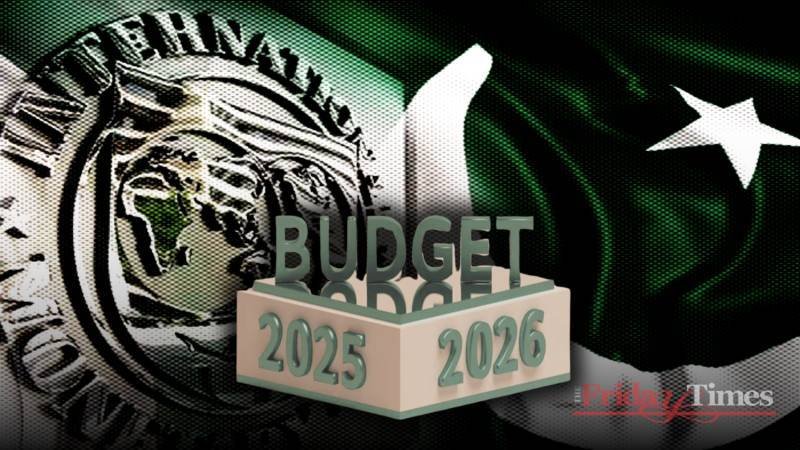
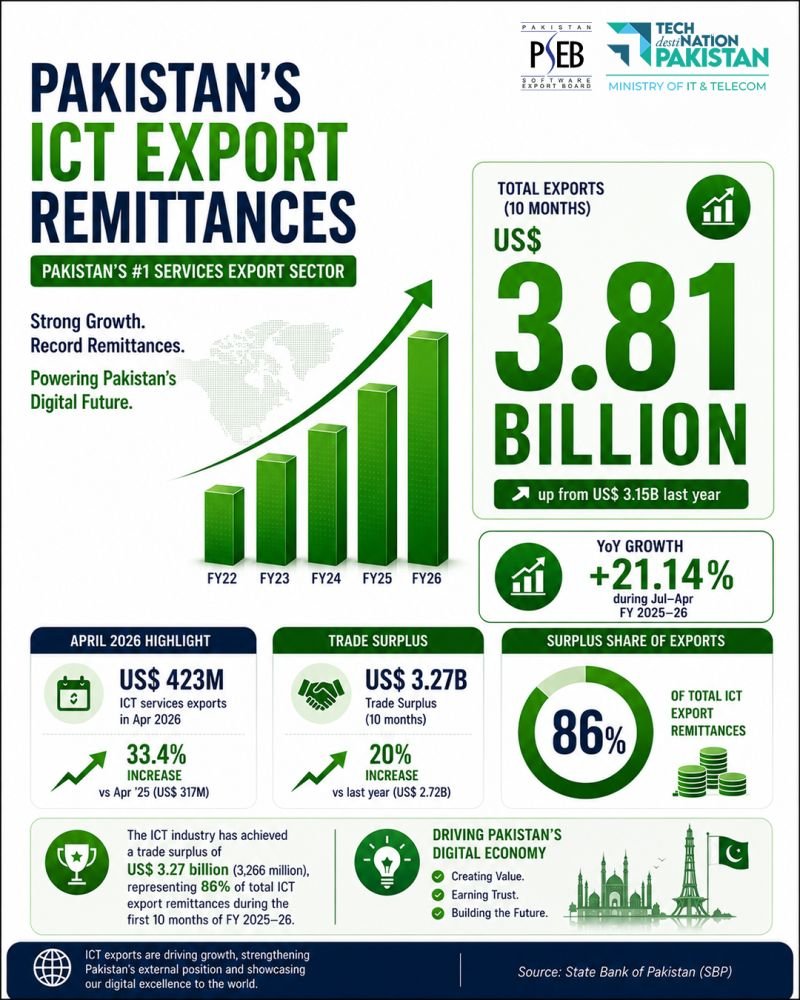
Pakistan’s IT sector is booming, freelancers are earning in dollars, and the government knows it. That is exactly why the Impact of 2026 Budget on IT export services in Pakistan matters more than ever.
Look, I get it, taxes are boring but the 2026 budget is not something you can ignore if you are earning from abroad. One small policy shift can change how much tax you pay, how you receive payments, and even whether your income qualifies for incentives.
In this guide by gigtax.site, I will break down the real impact of the 2026 budget on IT export services in Pakistan, based on the latest updates from the Federal Board of Revenue (FBR).
Let’s get into it.
What Are IT Export Services?
Before we talk about the budget, let’s clarify what counts as IT export services.
These include:
- Freelancing (Upwork, Fiverr, direct clients)
- Software development
- Web design and development
- Digital marketing services
- SaaS and tech-based solutions
If you are earning from foreign clients and receiving payments in Pakistan, you fall into this category.
Big Picture: Government’s Direction in 2026
Here is the real talk.
Pakistan’s 2026 budget is focused on:
- Increasing foreign exchange inflows
- Promoting IT exports
- Expanding the tax net
So yes, the government wants you to earn more—but also wants proper documentation and compliance.
Key Changes in the 2026 Budget Affecting IT Exporters
1. Continuation of Preferential Tax Rates
Good news first.
The government has continued low tax rates for IT exporters, including freelancers.
Typical structure:
- 0.25% to 1% tax on export income
- Applicable under Final Tax Regime (FTR)
This means:
- Your tax is minimal
- Your income is treated favorably
But only if you meet conditions.
2. Stricter Documentation Requirements
This is where things tighten.
The FBR now requires:
- Clear proof of foreign remittance
- Proper banking channels
- Documented service invoices
If your documentation is weak, your income may be reclassified.
3. Increased Monitoring of Bank Transactions
Banks are now more integrated with FBR systems.
What does this mean?
- Your incoming USD payments are tracked
- Mismatches trigger notices
- Unexplained income gets flagged
This directly impacts freelancers who are not filing properly.
4. Push for PSEB Registration
The government is strongly encouraging registration with the Pakistan Software Export Board.
Benefits include:
- Recognition as IT exporter
- Easier compliance
- Better tax positioning
Ignoring this in 2026 is a mistake.
5. Focus on Active Taxpayer List (ATL)
Being a filer is no longer optional.
Non-filers face:
- Higher withholding taxes
- Banking restrictions
- Increased scrutiny
So if your not on ATL, you are already at a disadvantage.
Comparison Table: Before vs After 2026 Budget
| Factor | Before 2026 Budget | After 2026 Budget |
|---|---|---|
| Tax Rate | 0.25%–1% | Continued |
| Documentation | Moderate | Strict |
| Bank Monitoring | Limited | High |
| PSEB Importance | Optional | Strongly Recommended |
| FBR Scrutiny | Medium | High |
This clearly shows that while tax rates remain attractive, compliance expectations have increased significantly.
How This Impacts Freelancers Directly
Let’s break it down in practical terms.
1. Lower Taxes (If Done Right)
If you:
- Use banking channels
- Register properly
You still enjoy low tax rates.
2. Higher Risk (If Ignored)
If you:
- Do not file returns
- Receive money informally
You risk:
- Notices from FBR
- Heavy tax penalties
3. More Paperwork
You now need:
- Invoices
- Bank proofs
- Income records
It is not complicated, but it requires discipline.
Step-by-Step: How to Adapt to 2026 Budget Changes
Alright, this is where you take action. Follow this proccess carefully.
Step 1: Register with FBR
- Get NTN
- Create IRIS account
No registration = no compliance.
Step 2: Ensure Proper Banking Channels
- Receive payments via bank
- Avoid informal transfers
This is critical in 2026.
Step 3: Maintain Documentation
Keep:
- Client invoices
- Payment records
- Contracts
Think of this as your safety net.
Step 4: Register with PSEB
- Apply as freelancer
- Get recognized as IT exporter
This strengthens your tax position.
Step 5: File Annual Tax Return
- Declare foreign income
- Submit wealth statement
Do not skip this, even if tax is low.
Step 6: Stay on ATL
- File on time
- Avoid penalties
Being on ATL saves money.
Step 7: Monitor Your Transactions
Regularly check:
- Bank inflows
- Declared income
Avoid mismatches.
Common Mistakes After 2026 Budget
Let me save you from costly errors.
1. Assuming Low Tax Means No Filing
Wrong.
Even if tax is 1%, you must file.
2. Ignoring Documentation
FBR now verifies everything.
No proof = no benefit.
3. Mixing Personal and Freelance Income
This creates confusion and risk.
Keep accounts clean.
4. Not Understanding Tax Regime
Many freelancers:
- Pay higher tax unnecessarily
Because they do not understand FTR.
Real Example
Let’s say:
- You earn $30,000 annually
- Receive via bank
If compliant:
- Tax ≈ 1%
- Clean record
If non-compliant:
- Tax up to 35%
- Possible penalties
That is a huge difference.
Why This Matters More Than Ever
Pakistan is moving toward:
- Digital tax tracking
- Automated data systems
- Global compliance standards
Freelancers are no longer “invisible” to tax authorities.
So understanding the impact of 2026 budget on IT export services in Pakistan is essential for survival and growth.
Final Thoughts
Here is my big brother advice.
“The opportunity is still there—but the margin for mistakes is shrinking.”
The 2026 budget is not anti-freelancer. In fact, it supports you—but only if you follow the rules.
At gigtax.site, we help freelancers like you turn confusing tax policies into simple, actionable steps.
Because at the end of the day, earning in dollars is great—but keeping more of it legally is even better.
Call to Action
Do not wait until FBR sends you a notice.
- Become a tax filer today
- Get listed on the ATL
- Structure your income the right way
And if you want expert guidance without confusion, explore more resources on gigtax.site or consult a professional to secure your freelance future in 2026 and beyond.
Leave a Reply