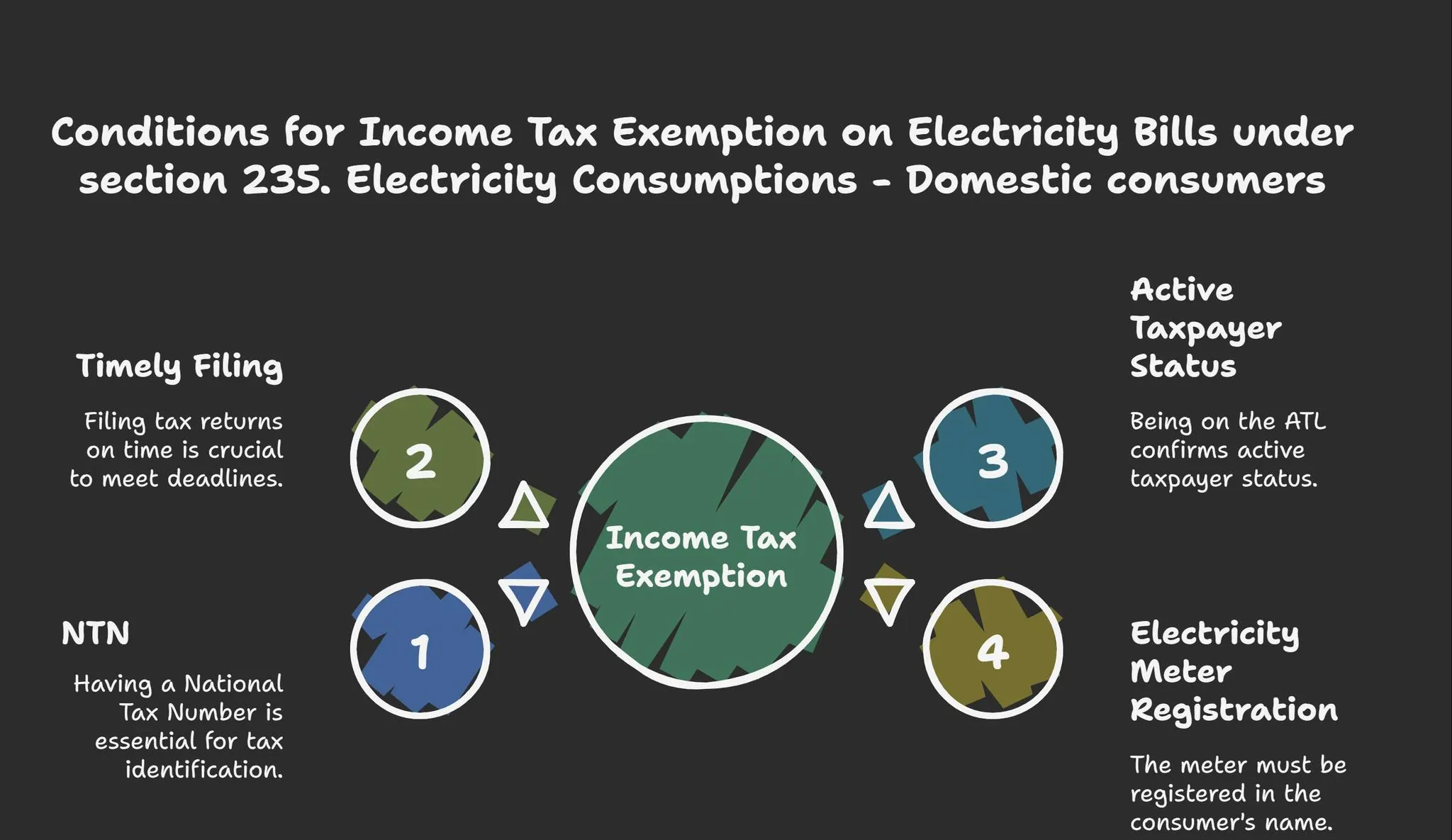
Introduction: Why Electricity Bills Matter for Tax Filing
Look, I get it, taxes are boring but if you’re a freelancer or running a small business in Pakistan, your electricity bill is actually one of the most underrated tax-saving tools you’ve got.
Under the Pakistan Tax Year 2025-2026 regulations set by the Federal Board of Revenue (FBR), electricity expenses can be claimed as a business expense—but only if you manage them correctly.
And here is the real talk: most freelancers either ignore it completely or mess it up and lose potential deductions. This guide will show you exactly how to do it right without getting into trouble with FBR.
By the end, you’ll understand how to legally reduce taxable income using your electricity bill while staying compliant as an active filer on the ATL (Active Taxpayers List).
Understanding Electricity Bills as a Business Expense in Pakistan
In simple terms, any electricity used directly for earning income can be considered a deductible business expense.
For example:
- Freelancers working from home
- IT companies and software houses
- E-commerce sellers running operations from home
- Digital agencies or content creators
But there’s a catch—FBR does not allow personal usage to be fully deducted unless you can justify business use.
So if your home electricity bill is Rs. 20,000 per month, you cannot blindly claim all of it unless 100% of your home is used for business (which is rare).
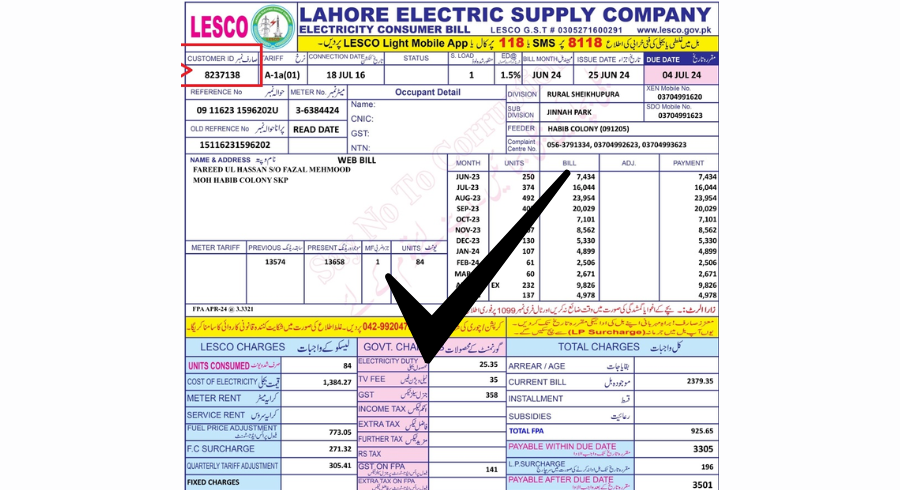
FBR Rules (Tax Year 2025-2026) for Electricity Expense Deduction
Here’s what FBR practically expects:
1. Business Use Must Be Justified
You must show that electricity is used for:
- Workstations (laptops, desktops)
- Office equipment
- Internet routers for business
- Production or service delivery setup
2. Partial Deduction is Allowed
If you work from home, you can only claim a percentage-based deduction.
3. Proper Documentation is Mandatory
Keep:
- Electricity bills in your name
- Bank payment proof (avoid cash payments if possible)
- Business records showing income activity
4. Linking Expense with Income is Critical
FBR may ask: “How does this bill help you earn income?”
If you can’t answer that, your claim is weak.

Electricity Expense Deduction Methods
There are two common methods accepted in Pakistan:
1. Fixed Percentage Method
You decide a reasonable percentage of electricity used for business.
Example:
- Total bill: Rs. 15,000
- Business use: 40%
- Deductible expense: Rs. 6,000
2. Area-Based Method
If you have a dedicated office space at home:
Formula:
- Business room size ÷ total home size × electricity bill
Example:
- Office room: 200 sq ft
- Home: 1000 sq ft
- Business portion = 20%
This method is more acceptable if properly documented.
Comparison Table: Personal vs Business Electricity Expense Treatment
| Criteria | Personal Use | Business Use |
|---|---|---|
| Deduction Allowed | ❌ Not allowed | ✅ Allowed (partial/full) |
| Documentation Required | None | Electricity bill + proof of business |
| FBR Scrutiny Level | Low | Medium to High |
| Risk of Audit | Low | If unsupported, high |
| Tax Benefit | None | Reduces taxable income |
Step-by-Step Guide: How to Claim Electricity Bill as Business Expense
Now let’s break it down in a simple, no-confusion way.
Step 1: Identify Business Usage
First, honestly calculate how much electricity is used for work.
Ask yourself:
- How many hours do I work daily?
- Do I run multiple devices?
- Is this a dedicated workspace or shared home use?
Don’t overestimate. FBR doesn’t like unrealistic claims.
Step 2: Separate Personal and Business Usage
Split your usage:
- Work hours = business electricity
- Non-work hours = personal usage
Example:
If you work 8 hours a day, you might reasonably claim 30%–50%.
Step 3: Keep Bills and Payment Records
Always keep:
- Monthly electricity bills
- Bank transaction proof
- Screenshots if paid online
Cash payments make your proccess weaker in case of audit.
Step 4: Record Expense in Accounting Books
Whether you use Excel, QuickBooks, or a simple calculater sheet:
- Enter electricity bill under “Utilities Expense”
- Assign business percentage
- Update monthly records
Step 5: Report in Income Tax Return (ITR)
While filing tax return:
- Go to “Business Expenses”
- Enter electricity expense under utilities
- Ensure it matches declared income activity
Step 6: Maintain Consistency
If you claim 40% one month, suddenly claiming 90% next month will raise flags.
Consistency is key.
Common Mistakes Freelancers Make (Avoid These!)
Here is where most people mess up:
1. Claiming 100% Home Electricity
Unless you run a full-time office setup, this is risky.
2. No Proper Evidence
FBR can reject claims if your documents are weak.
3. Mixing Personal and Business Accounts
Always separate your business banking if possible.
4. Ignoring ATL Status
If you are not on Active Taxpayers List, your deductions won’t benefit you fully.
Here is the truth: staying compliant saves more money than aggressive deductions.
Advanced Tip: Optimizing Electricity Expense for Maximum Tax Savings
If you want to go a step further:
- Install a dedicated work meter (if possible)
- Use UPS/inverter logs for backup usage proof
- Keep monthly expense logs aligned with income invoices
- Use digital payment methods only
This makes your case stronger if FBR ever reviews your file.
Electricity Expense Impact on Tax Liability (Simple Example)
Let’s understand this practically:
- Annual freelance income: Rs. 2,000,000
- Electricity expense claimed: Rs. 120,000
- Net taxable income: Rs. 1,880,000
Now your tax is calculated on lower income.
This is why proper expense handling matters.
Why Freelancers in Pakistan Should Care About This
Freelancers often ignore utility expenses thinking they are too small.
But combined annually:
- Electricity
- Internet
- Software subscriptions
These can reduce taxable income significantly.
At gigtax.site, we always tell freelancers: small expenses = big tax optimization when done right.
Real Talk: FBR Doesn’t Hate You, But They Want Proof
Here is the real talk.
FBR is not your enemy. They just want:
- Accuracy
- Transparency
- Proof-based claims
If you follow rules properly, electricity bill deduction is 100% legal and safe.
Don’t try shortcuts. That’s where people get into trouble.
And yes, sometimes people think “nobody will check” but that’s exactly how audits happen.
Final Thoughts
Managing electricity bills as a business expense for tax in Pakistan (2025-2026) is not complicated—but it does require discipline.
If you:
- Track usage properly
- Maintain records
- Stay realistic with percentages
- File correctly as an ATL taxpayer
Then you are already ahead of 70% of freelancers in Pakistan.
Taxes don’t have to be stressful, you just need the right system.
And honestly, once you understand this process, you start saving money you didn’t even realize you were losing.
CTA: Take Control of Your Tax Journey
If you are serious about growing your freelance income in Pakistan, don’t just earn—optimize.
Become a filer, stay on ATL, and learn how to legally reduce tax burden with proper expense planning.
For more guides, tax strategies, and freelancer financial tips, visit gigtax.site—your go-to resource for building a smarter financial future in Pakistan’s digital economy.
Leave a Reply